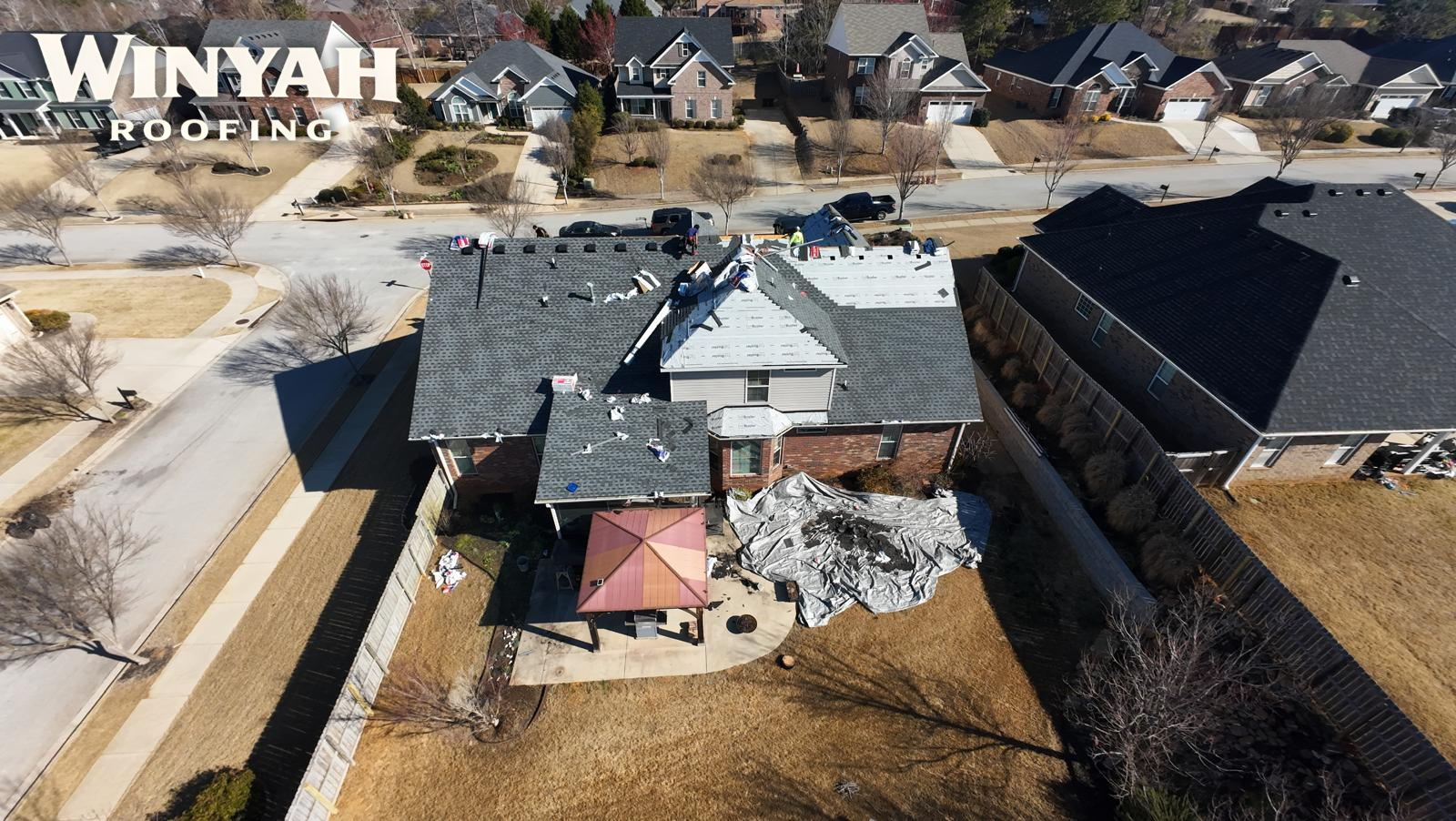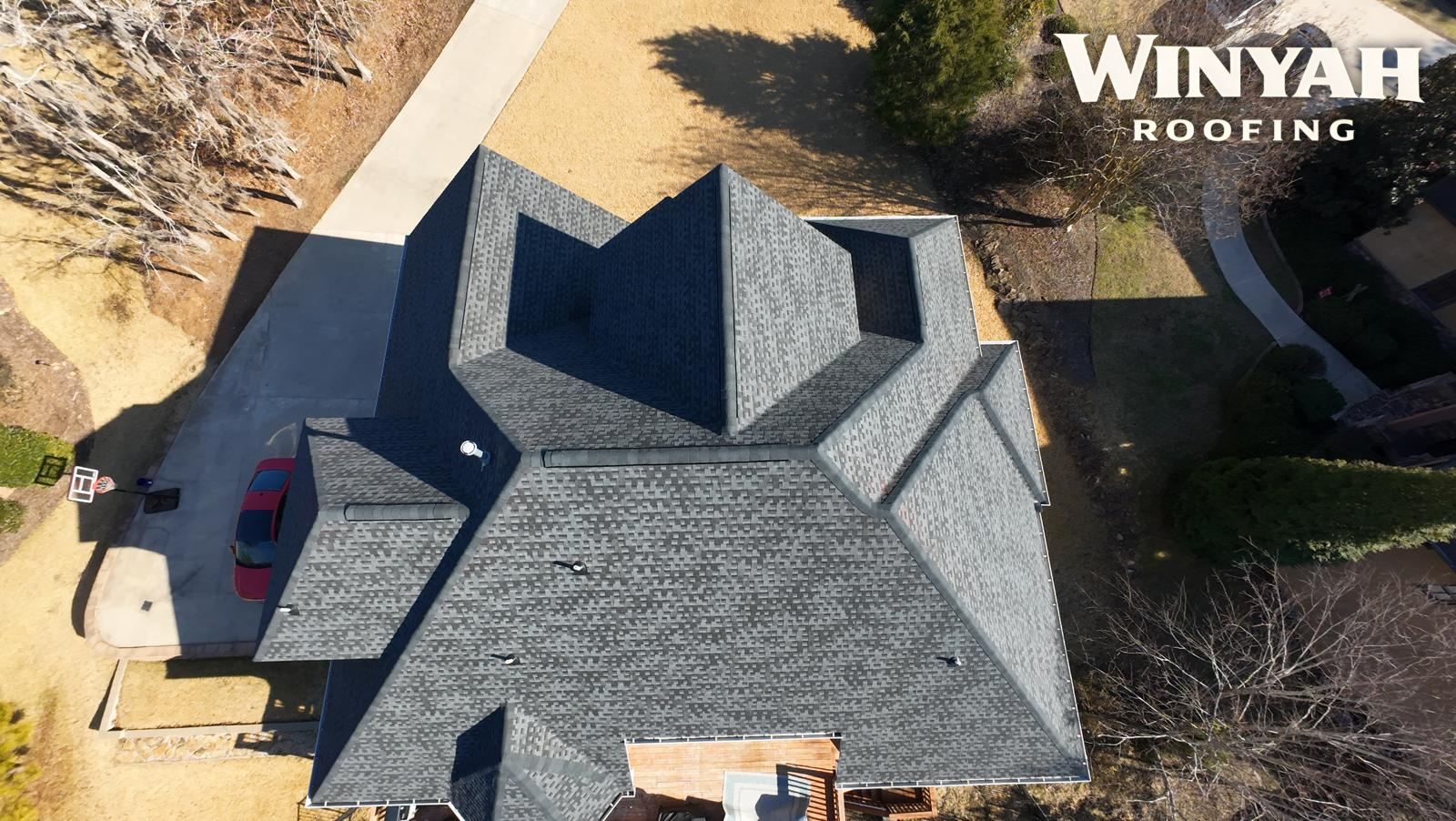
Learning how to tell if you need a new roof is one of the most vital responsibilities for any residential or commercial property owner. Your roofing system serves as the primary structural defense against harsh weather, high coastal winds, torrential downpours, and scorching UV sunlight. Over time, natural environmental wear and structural degradation begin to undermine your home’s top protective shield. Catching deterioration early prevents minor surface damage from escalating into catastrophic structural destruction and indoor property loss.
At Winyah Roofing, located in the USA, our fully licensed and insured installation team delivers expert residential and commercial roofing solutions. Knowing how to tell if you need a new roof saves thousands of dollars over time by helping you make informed, confident decisions between localized patch work and a total system replacement. This comprehensive guide covers critical evaluation criteria, exterior visual warning signs, attic space structural inspections, financial factors, and practical repair pathways.
Core Diagnostics: How to Tell If You Need a New Roof or a Simple Patch
Property owners frequently struggle with when to repair vs replace roof materials after spotting minor cosmetic defects, missing granules, or temporary ceiling leaks. Not every missing shingle or minor flashing failure demands a full roof teardown. Distinguishing isolated physical wear from widespread structural decay requires systematically assessing damage scope, overall material age, and underlying plywood deck health.
Understanding critical roof repair vs replacement warning signs ensures you do not overspend on unnecessary overhauls when a localized fix suffices. Conversely, attempting temporary patches on a severely failing roof wastes money and leaves your internal living spaces vulnerable to hazardous structural mold, insulation ruin, and eventual ceiling collapse.
When evaluating your property, carefully consider the physical boundaries and percentage of the damaged area. An isolated tear on two or three shingles following a minor windstorm requires a fast, low-cost patch. Conversely, widespread shingle decay, cracking, or soft, rotted plywood decking across multiple roof slopes warrants complete material removal down to the rafters. Modern roofing materials provide enhanced wind resistance and thermal performance, but proper initial diagnosis remains the most important step in protecting your property.
If you suspect localized damage across your upper structures, explore our specialized Expert Roof Repairs page to see how precise restoration protects your home investment without breaking your budget.
9 Exterior Warning Signs You Need a Roof Replacement
Performing regular exterior visual checks offers clear, early indications of system health. Evaluating signs you need a roof replacement from ground level using high-powered binoculars or safely climbing a secured extension ladder provides early warning long before active leaks manifest inside your home.
1. Extreme Granule Loss: Heavy Granules in Gutters Repair or Replace Assessment
Asphalt shingles feature crushed mineral granules embedded in asphalt that shield underlying fiberglass mats from damaging UV radiation, hail impacts, and weathering. Brand-new shingle installations naturally lose minor excess granules during shipping and application, but heavy accumulation pooling in gutter troughs or washing down downspouts signals advanced asphalt decay.
When evaluating granules in gutters repair or replace options, inspect shingle surfaces closely. If shingles reveal dark bald patches or exposed black fiberglass mats, their primary waterproofing barrier has completely failed. Shingles stripped of protective granules deteriorate rapidly under direct sunlight, drying out, cracking, and requiring prompt system replacement.
2. Deformed Shingles: Curling Shingles Repair or Replace Guidelines
Continuous weather exposure, poor attic ventilation, and natural thermal expansion cause asphalt shingles to curl, cup, or claw over time. Cupping occurs when shingle edges turn upward into dish shapes, while clawing occurs when centers bulge upward while edges point down toward the decking.
When addressing curling shingles repair or replace needs, determine the overall extent of distortion across your slopes. Replacing individual curling shingles works for small, localized areas near dormers or edges. However, widespread shingle curling across entire roof slopes indicates severe thermal heat damage and failed factory adhesive strips, necessitating a total roof overhaul.
3. Widespread Cracked, Buckled, or Missing Shingles
High wind gusts, severe hail impacts, and seasonal thermal expansion cause shingle materials to crack, split, or blow off entirely. Isolated missing shingles are quickly repaired with new matching replacement units. However, brittleness and cracking across large surface areas signal organic binder failure within the shingle composition.
When shingles lose their flexibility, they can no longer expand and contract with daily temperature shifts. For emergency shingle restoration, review our dedicated Roof Replacement solutions to learn how modern multi-layered architectural shingles provide maximum wind resistance and long-lasting durability.
4. Structural Deflection: Sagging Roof Deck Repair vs Replacement Decisions
A straight, uniform roofline indicates sound structural framing and dry underlying sheathing. Any visible dip, curve, or noticeable sag along the ridgepole or main slopes points to internal structural failure or heavy moisture retention.
Evaluating sagging roof deck repair vs replacement requirements demands immediate professional inspection. Structural sagging stems from trapped attic moisture rotting wooden rafters, degraded plywood sheathing, or broken internal truss supports. While minor localized rafter reinforcement is occasionally possible, a sagging roof deck usually requires replacing all compromised plywood substrates and roof coverings down to structural framing.
5. Penetration Flashing Decay: Flashing Damage Roof Leak Repair
Galvanized steel or aluminum flashing strips seal vulnerable roof intersections around chimneys, dormers, skylights, and attic plumbing vent pipes. Over time, original tar sealants crack, rust corrodes sheet metal, and thermal expansion pulls flashing seams away from brickwork or siding.
Timely flashing damage roof leak repair prevents severe interior drywall and insulation damage. Re-flashing chimneys, sidewalls, and pipe boots resolves localized water entry if underlying shingles and decking remain functional. For structural building codes and proper sheet metal flashing installation standards, refer to the National Roofing Contractors Association guidelines.
6. Organic Growth Contamination: Moss on Roof Damage Repair Cost Factors
Algae, moss, lichen, and fungal spores thrive on shaded, moisture-heavy roof slopes. While dark green or black algae streaks are mostly cosmetic concerns, thick green moss growth acts like a sponge, holding moisture directly against shingle surfaces for extended periods.
Analyzing moss on roof damage repair cost considerations depends on root depth and wood sheathing health. Moss roots lift shingle edges, allowing winter frost to expand beneath shingles and crack asphalt structures. Surface moss can be cleaned with gentle soft-wash chemical solutions, but if persistent moisture penetration has rotted underlying felt paper or plywood, complete roof replacement is required.
7. Exposed Fasteners and Backed-Out Roofing Nails
Seasonal thermal expansion cycles cause structural wood decking to expand and contract, slowly lifting roofing nails out of wood sheathing over several years. Backed-out nails push directly upward through asphalt shingles, creating open punctures for rainwater intrusion. Fasteners driven improperly or over-driven during initial installation exacerbate severe leaks across lower slopes and roof valleys.
8. Damaged Soffits, Fascia Boards, and Eaves
Fascia boards and soffit vents support gutter systems while maintaining healthy attic airflow. Water overflowing clogged gutters or creeping behind drip edge metals rots wooden fascia trim. If soffit intake vents block up with dust or insulation, trapped attic heat accelerates shingle degradation from below, blistering shingles and shortening system lifespan.
9. Advanced Age: Evaluating Roof Age Lifespan Asphalt Shingles
Every roofing material operates within a designed service lifespan. Understanding roof age lifespan asphalt shingles expectations prevents unexpected catastrophic system failures. Standard 3-tab asphalt shingles last 15 to 20 years, while multi-layered architectural asphalt shingles typically last 22 to 30 years under normal weather conditions.
Even if an old roof looks functional from the ground, aging asphalt steadily loses its volatile waterproofing oils, becoming brittle and highly susceptible to wind shear. Knowing how to tell if you need a new roof means tracking your roof’s original installation age and replacing aging systems before severe storms cause unexpected leaks.
Interior Leak Indicators: Water Stains on Ceiling Roof Leak Signs
Interior home damage often provides the first clear evidence of hidden roofing failure. Water travels along structural rafters and ceiling joists before dripping down, manifesting far from original roof entry points.
Identifying Ceiling Stains and Active Water Trails
Spotting discolored water stains on ceiling roof leak signs warrants immediate investigation. Yellowish-brown water rings, peeling drywall tape, bubbling ceiling paint, or sagging ceiling plaster signal active water pooling overhead in attic cavities.
When inspecting interior ceiling marks, consider that moisture often travels several feet horizontally along wood framing before dripping through sheetrock. Brown circular ceiling rings usually stem from a leaking shingle nail or a cracked rubber pipe boot flange. Peeling paint near exterior ceiling borders points to failed drip edge metals or seasonal ice damming. Damp attic insulation wool indicates damaged ridge vents or active shingle leaks overhead.
Learning how to know if roof leak is fixable relies on accurately locating entry points. A single leak near a chimney or plumbing stack can usually be sealed efficiently. However, multiple widespread water entry points across different ceilings indicate general system membrane failure, requiring full roof replacement.
Attic Space Inspection Checklist
Your attic offers direct visibility into overall roof health without climbing onto high slopes. Step into your attic space on a bright, sunny afternoon with interior light switches turned off to check for key indicators:
- Daylight Gaps: Pinpricks or rays of daylight shining through wooden decking point to open nail holes, torn underlayment, or rotten wood.
- Dark Wood Discoloration: Dark stains, streaks, or black rot marks along plywood decking boards reveal long-term moisture exposure.
- Musty Odors and Mold: Damp attic insulation wool and musty smells signal persistent water intrusion and inadequate attic ventilation.
- Rusted Roofing Nails: Heavy rust or white corrosion on exposed nail tips beneath decking indicates excessive attic condensation buildup.
Storm & Hail Damage: Storm Hail Damage Roof Insurance Claim Signs
Severe coastal storms, summer hail, and hurricane-force winds can instantly degrade a sound roofing system. Understanding storm hail damage roof insurance claim signs helps homeowners secure proper coverage before insurance policy claim deadlines expire.
Identifying Severe Hail and Wind Impact Damage
Hailstones fracture internal shingle mats, dislodge mineral granules, and puncture underlying waterproof felt paper. Hail impacts leave soft, dark circular bruises on asphalt shingles, often denting metal ridge vents, gutters, and downspouts in the process.
Windstorms tear shingles away completely, exposing bare wood decking to the elements. When high winds lift shingles without breaking them off, factory seal strips break, allowing wind-driven rain to enter under protective layers during subsequent storms.
If high winds or severe hail hit your region, review our specialized Storm Restoration page for immediate emergency assistance, structural tarping, and comprehensive insurance claim documentation support.
Filing Insurance Claims and Emergency Repairs
When dealing with severe storm damage, addressing a missing shingles leak emergency fix immediately prevents secondary drywall damage, electrical hazards, and indoor mold growth.
- Document Damage Promptly: Photograph damaged roof sections, fallen tree branches, dented gutters, and ground-level shingle debris.
- Apply Emergency Tarps: Install temporary waterproof tarps over open roof sections to limit interior rain intrusion.
- Contact Licensed Contractors: Partner with a reputable local contractor like Winyah Roofing for a professional structural damage assessment.
- Submit Adjuster Reports: Provide detailed damage reports and repair estimates to your insurance adjuster to ensure full policy benefits.
Detailed Material Comparison: Longevity and Performance Metrics
Determining is roof damage repairable or total replacement worthy often comes down to the performance metrics and expected longevity of your specific roofing material. Choosing the right replacement system balances long-term durability, structural weight, and aesthetic preferences against severe weather demands.
1. Asphalt Shingle Systems (Architectural vs 3-Tab)
Asphalt shingles remain America’s most common residential roofing option due to affordability and design versatility. Standard 3-tab shingles provide economical protection for modest budgets but carry lower wind resistance. Architectural laminated shingles feature dimensional layers that offer superior durability, enhanced aesthetic depth, and wind resistance up to 130 mph.
2. Premium Metal Roof Systems
Standing seam metal roofs provide exceptional durability, energy efficiency, and modern architectural appeal. Interlocking metal panels shed rain, ice, and snow rapidly while withstanding severe coastal wind conditions without blowing off.
Metal roofs carry a long service lifespan of 40 to 70 years, drastically reducing long-term replacement cycles. Explore our specialized Metal Roof System options to discover how modern steel and aluminum options elevate property values.
3. Slate and Concrete Tile Roof Systems
Clay tiles and natural slate systems deliver unmatched elegance and extreme longevity, routinely lasting 50 to over 100 years. Tile systems naturally resist fire, insect infestations, and salt air corrosion.
However, tile and slate materials are heavy, requiring structural framing assessments prior to retrofitting on older homes. Discover our luxury Tile Roof System and Slate Roofing System services to see how custom slate craftsmanship transforms estate properties.
4. Low-Slope Commercial & Residential Flat Roof Systems
Flat roof structures require waterproof single-ply membranes such as TPO, EPDM, or PVC. Flat surfaces lack steep gravity drainage, making them prone to standing ponding water if drainage slopes or scuppers degrade.
Check out our complete line of Commercial Roofing System and Low-Slope Flat Roofing System installations designed for low-pitch additions, commercial facilities, and residential garages.
Financial Considerations: Long-Term Value of Repair vs Replacement
Evaluating how to tell if you need a new roof includes essential financial considerations. While localized repairs carry lower upfront installation costs, repeatedly patching an aging, failing roof leads to high cumulative expenses over time.
Investing in a complete roof replacement enhances overall curb appeal, lowers interior cooling costs through modern reflective underlayments, and increases home resale value. A complete roof replacement often recovers substantial equity upon property resale while securing long-term manufacturer warranties spanning 20 to 50 years. Furthermore, upgrading an aging roof can lower annual homeowners insurance premiums by upgrading wind resistance ratings. Homeowners can consult the U.S. Department of Energy for detailed guides on cool roof technologies and energy-saving building materials.
Proactive Maintenance Checklist: Extending Roof Lifespan
Routine proactive maintenance maximizes service life and delays major replacements. Follow this seasonal checklist to keep your roofing system performing at its best:
Seasonal Maintenance Tasks
- Clean Gutters and Downspouts: Clear leaves, twigs, and accumulated granules twice yearly to prevent water backup along eaves.
- Trim Overhanging Tree Limbs: Keep tree branches cut back at least 10 feet from shingles to reduce shade, moss growth, and limb impact damage.
- Inspect Vent Seals: Check rubber boots around attic plumbing vents and re-caulk deteriorated metal flashing joints.
- Remove Accumulating Debris: Sweep off twigs and leaf piles trapped in steep roof valleys and behind chimneys.
- Monitor Attic Air Flow: Ensure soffit intake vents remain open and completely unobstructed by loose attic insulation wool.
Frequently Asked Questions (FAQ)
Below are clear answers to common questions about evaluating roof condition and planning replacements:
How to tell if you need a new roof after a major storm?
Inspect your property ground for missing shingles, dented gutters, or dislodged metal trim. Look inside attic spaces for active water leaks or daylight gaps, and hire a professional contractor to safely perform a detailed roof inspection.
Can I install new shingles over my existing shingle roof?
While overlaying a second shingle layer is allowed by some local codes, most professional roofers advise against it. Overlaying traps heat, adds excess structural weight, prevents deck inspections, and voids manufacturer warranties.
How long does a professional roof replacement take to finish?
A standard asphalt shingle roof replacement on a single-family home takes 1 to 3 days depending on home size, roof pitch, crew size, and weather conditions.
How to know if a roof leak is fixable without replacing the whole roof?
A leak is fixable if it stems from an isolated defect—such as a cracked pipe boot, damaged flashing, or localized missing shingles—on a roof under 15 years old with sound decking.
Partner with Winyah Roofing for Reliable Roofing Solutions
Understanding how to tell if you need a new roof protects your family, home, and finances from unexpected damage. Whether you need quick leak repairs, storm restoration, or a full system replacement, Winyah Roofing provides expert craftsmanship across the USA.
Why property owners trust our team:
- Locally Trusted Expertise: Fully licensed, insured, and dedicated to delivering long-lasting roofing solutions.
- Comprehensive Roofing Options: Experts in asphalt shingles, standing seam metal, clay tiles, natural slate, and flat commercial membranes.
- Transparent Project Schedules: Prompt completion with minimal disruption to your daily routine.
- 24/7 Emergency Support: Rapid response for urgent leak repairs, emergency tarping, and storm restoration.
Schedule Your Comprehensive Roof Inspection Today
Don’t wait for minor leaks to turn into costly structural damage. Contact Winyah Roofing today to schedule your comprehensive on-site roof inspection and receive a detailed project estimate.
- Call Our Service Team: (843) 502-5090
- Email Us: projects@winyahroofing.com
- Visit Our Website: Schedule your roof evaluation online at Winyah Roofing Home.