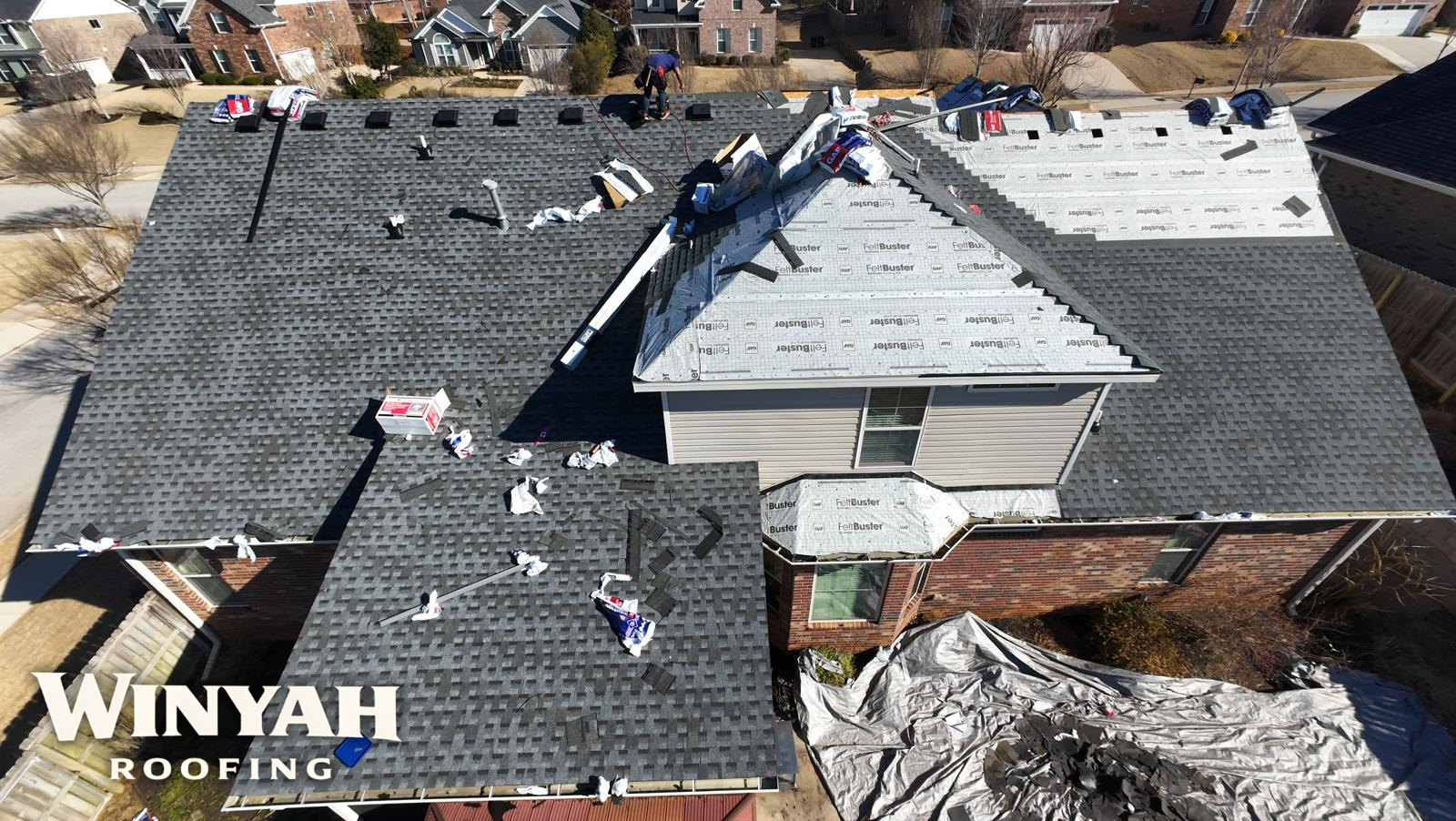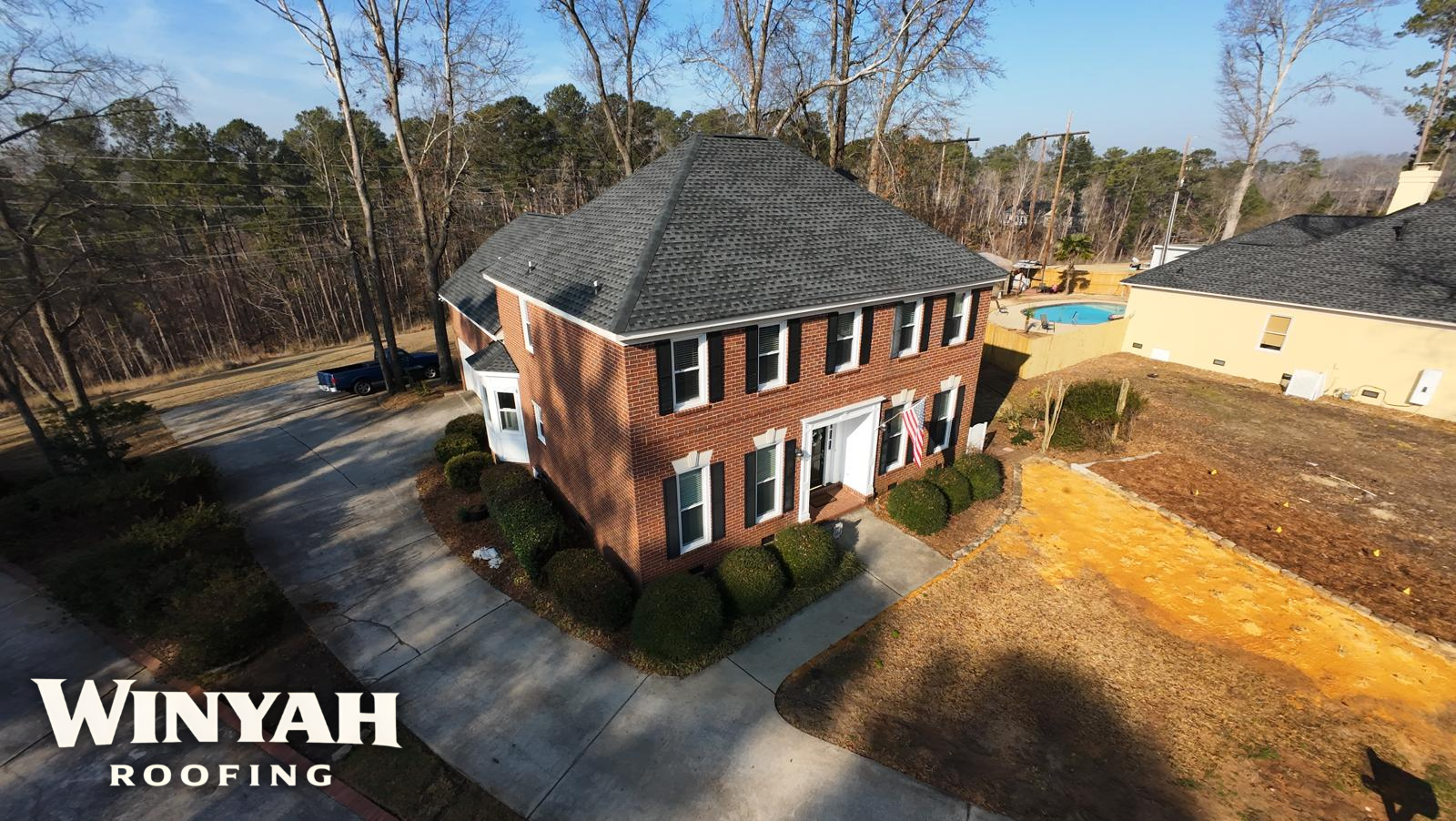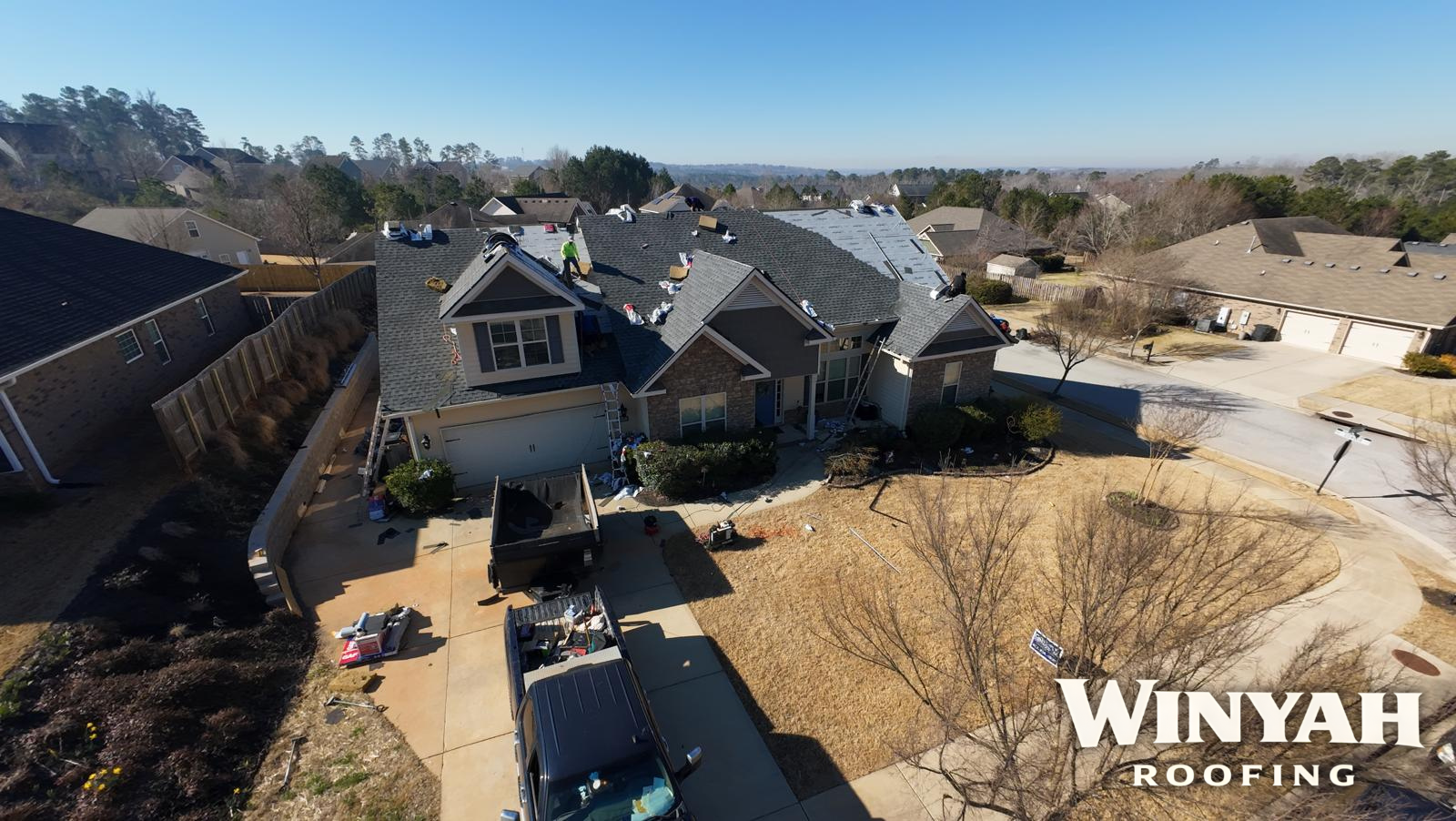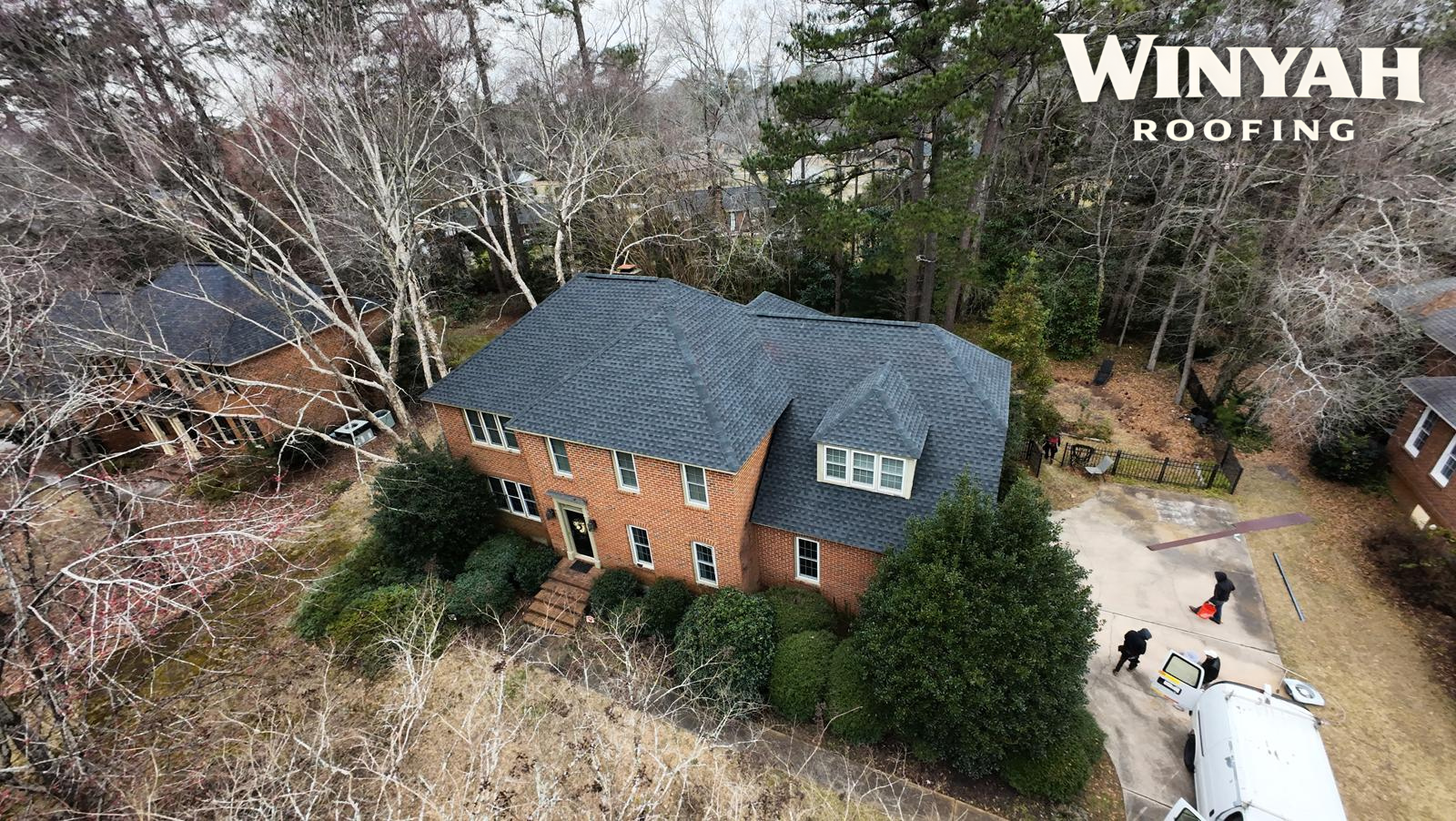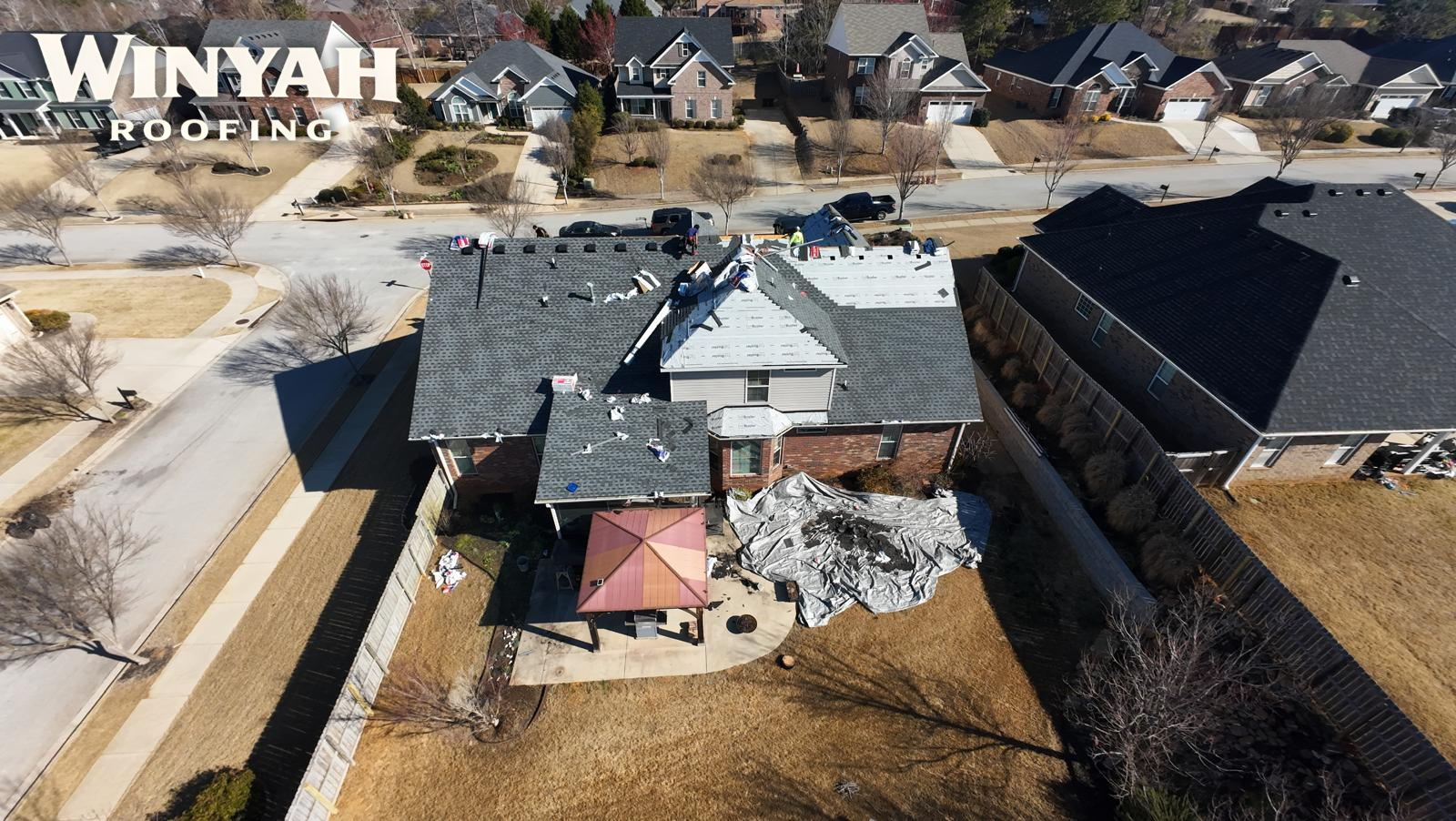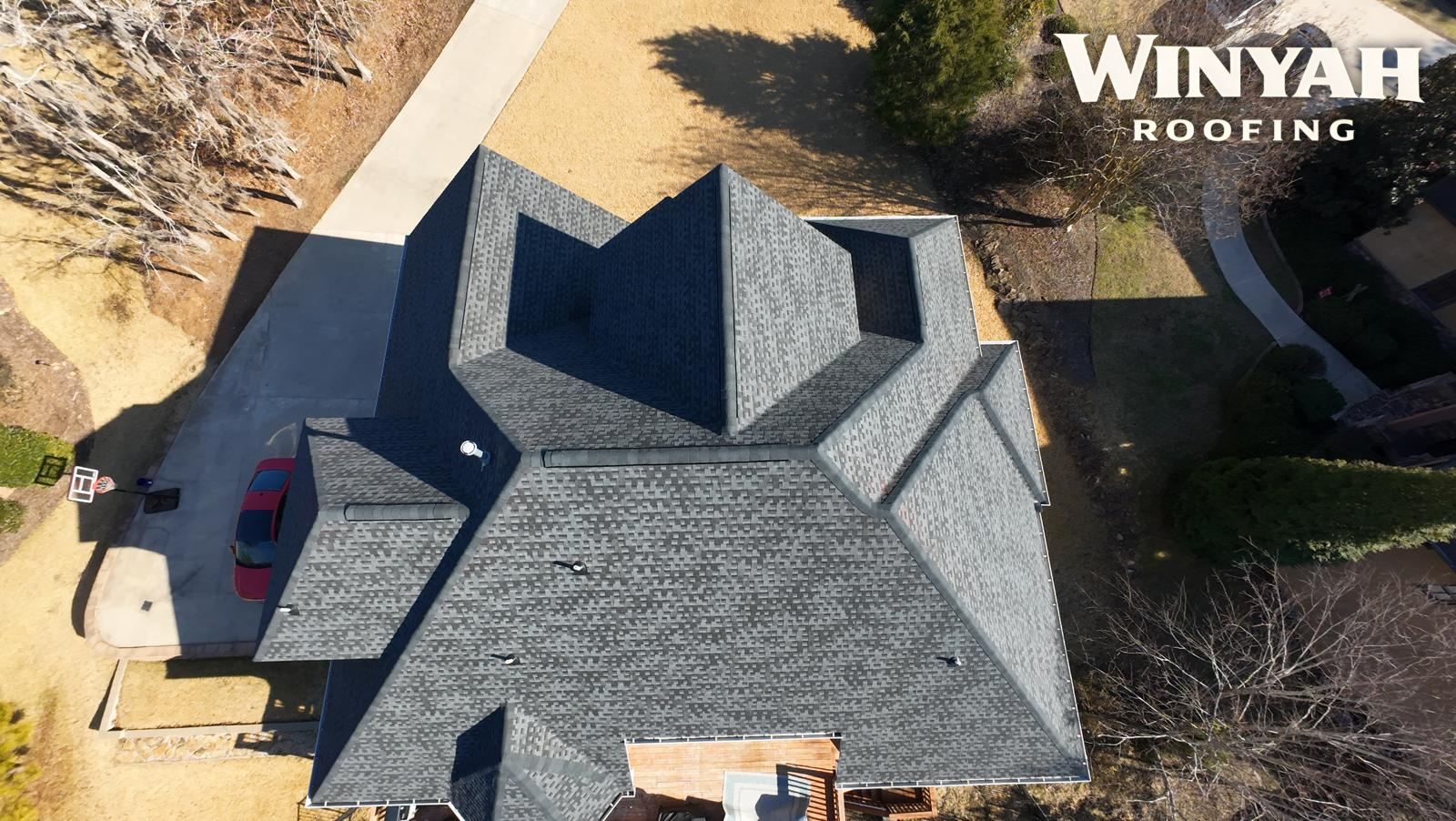
How long does a roof replacement take when severe weather strikes or your home shingles reach the end of their structural lifespan? For most average-sized, single-family residential homes, a professional crew can complete a standard asphalt shingle roof replacement within 1 to 3 days. However, the exact timeline depends on various key factors, including home size, material selection, roof pitch, and local weather conditions.
At Winyah Roofing, located in Georgetown, South Carolina, our experienced roofing contractors deliver reliable, efficient, and high-quality roofing services tailored to coastal weather demands. Whether you need a quick repair or a complete overhaul, understanding the underlying installation timeline helps you plan your home improvements with confidence and minimal disturbance to your daily life.
Quick Overview: Average Roof Replacement Timelines by Material
Understanding how long does a roof replacement take starts with evaluating the specific material being installed on your home. Different roofing products require specialized installation techniques, unique safety setups, and varying labor commitments.
Here is a quick breakdown of average installation timelines for a standard 2,000-to-3,000-square-foot residential home:
- Asphalt Shingles: 1 to 2 Days
- Architectural Shingles: 1 to 3 Days
- Metal Roof Systems: 3 to 5 Days
- Tile Roof Systems: 3 to 6 Days
- Slate Roofing Systems: 6 to 10+ Days
- Low-Slope / Flat Roofing: 2 to 4 Days
7 Key Factors That Influence How Long Does a Roof Replacement Take
While an initial estimate gives a general timeframe, several unique structural and environmental variables dictate how long does it take to replace a roof from start to finish.
1. Overall Roof Size and Architectural Complexity
The overall square footage of your roof directly impacts labor duration. A compact 1,200-square-foot ranch home requires significantly less tear-off and installation time than a sprawling 4,500-square-foot multi-story estate.
Complex architectural elements—such as steep slopes, high-pitched gables, multiple dormers, complex valleys, skylights, and chimneys—require precision flashing work and extra safety precautions, extending the project timeline.
2. Roofing Material Selection
The material you choose plays a massive role in answering how long does a new roof take to install. Lightweight materials like asphalt shingles lay down rapidly. Conversely, heavier materials like concrete tiles, natural slate, and standing seam metal panels require heavy-duty handling, custom fitting, and structural reinforcement.
- Asphalt Shingles: Quick to lay and secure using pneumatic nailers.
- Metal Panels: Require precise alignment, custom trim fitting, and specialized fasteners.
- Tile and Slate: Demand careful hand placement to avoid breakage and ensure long-term structural integrity.
Explore our specialized Metal Roof Systems to learn how modern standing-seam options combine speed with exceptional wind resistance.
3. Weather Conditions and Seasonal Disruptions
Roofing is an outdoors-only trade exposed entirely to the elements. High winds, heavy coastal rains, freezing temperatures, and intense heat waves directly affect crew safety and material application.
For instance, asphalt shingles require ambient warm sunlight to properly activate their thermal self-sealing adhesive strips. If unexpected rain occurs, professional crews temporarily pause work and secure the structure with heavy-duty tarps to prevent internal water intrusion. For real-time weather monitoring and local advisories in coastal South Carolina, homeowners can consult the National Weather Service.
4. Existing Roof Deck Condition and Structural Damage
How long does it take to tear off a roof and inspect what lies beneath? While tearing off old shingles generally takes a few hours, uncovering rotted plywood decking, sagging rafters, or hidden water leaks significantly expands the job scope.
If decking damage is discovered during tear-off, old plywood panels must be removed and replaced with new CDX plywood or OSB sheathing before new underlayment can be installed. This extra woodworking phase adds anywhere from several hours to a full extra day.
5. Accessibility and Site Setup
Easy access to your roof speeds up material staging and debris disposal. If a property has narrow driveways, delicate landscaping, tight property boundaries, or high fences, moving heavy tear-off debris to dumpsters becomes time-consuming.
A smooth site allows roofing crews to park heavy equipment, roll out dumpster trailers, and set up safety scaffolding close to the roof eaves, speeding up material delivery and cleanup.
6. Size and Experience of the Professional Roofing Crew
Crew size directly correlates with execution speed. An understaffed team of two or three workers will take substantially longer than a well-coordinated team of six to eight experienced professionals working dedicated shifts.
At Winyah Roofing, our fully licensed and insured installation specialists work efficiently under active project managers to ensure every step—from initial tear-off to final magnetic lawn sweeping—is completed promptly without compromising quality or safety.
7. Permit Approvals, Inspections, and Local Codes
Before physical labor begins, local municipal permits must be secured. Depending on your municipality, mid-project decking inspections or final city code inspections may be required before the job can be officially signed off.
For details on regional building codes, wind zone ratings, and permitting requirements in coastal regions, visit the official South Carolina Department of Labor, Licensing and Regulation.
Step-by-Step Breakdown: What Happens During a 2-Day Roof Replacement
To understand how many hours does it take to replace a roof, it helps to examine a typical step-by-step installation timeline for a standard asphalt shingle roof.
Day 1: Arrival, Property Protection, Tear-Off, and Deck Preparation
The first day is focused on property protection, demolition, and foundational prep work.
Step 1: Morning Site Setup (7:00 AM – 8:30 AM)
- Placement of dump trucks and debris trailers.
- Tarps draped over siding, plants, exterior HVAC units, and outdoor furniture.
- Safety lines, ladders, and scaffolding secured.
Step 2: Old Roof Tear-Off (8:30 AM – 12:00 PM)
- Crew uses tear-off forks to strip old shingles, felt paper, and damaged valley metals down to bare wood.
- Debris thrown directly into protected dump trailers.
Step 3: Sheathing Inspection and Deck Repair (12:30 PM – 2:30 PM)
- Thorough inspection of underlying plywood sheathing for rot, mold, or structural weakness.
- Replacement of damaged plywood boards and re-nailing of loose sheathing.
Step 4: Underlayment and Ice/Water Shield Application (2:30 PM – 5:00 PM)
- Installation of self-adhering ice and water shield along eaves, valleys, and around chimneys.
- Roll-out of heavy-duty synthetic underlayment across the entire roof surface to ensure immediate water-tight protection overnight.
Day 2: Shingle Installation, Flashing, Venting, and Final Cleanup
The second day centers on installing new materials, fine-tuning weatherproofing components, and performing thorough property cleanup.
Step 1: Starter Strip and Shingle Layout (7:00 AM – 11:30 AM)
- Fastening specialized starter shingles along drip edges to resist high wind lift.
- Precision installation of primary architectural asphalt shingles using proper nail patterns and alignment chalk lines.
Step 2: Custom Flashing and Vent Systems (11:30 AM – 2:00 PM)
- Step flashing installed along walls and dormers.
- Replacement of plumbing vent boots and counter-flashing around chimneys.
- Installation of continuous ridge vents along peak rooflines for proper attic ventilation.
Step 3: Quality Inspection and Site Cleanup (2:00 PM – 4:30 PM)
- Final walk-through by the job foreman to verify quality and alignment.
- Full site cleanup, including gutters cleared of debris and high-powered magnetic sweeps of lawns and driveways to pick up stray nails.
Comparing Roof Replacement Timelines Across Different Roof Types
Not all roofs are created equal. The overall time required varies significantly depending on whether you are replacing residential shingles, installing a flat commercial membrane, or repairing storm-damaged materials.
1. How Long Does It Take to Replace a Shingle Roof?
Asphalt shingles remain the most popular choice across America due to their affordability and fast installation. For standard homes, replacing a shingle roof takes 1 to 2 days. Architectural shingles take slightly longer than 3-tab shingles due to their multi-layered design and interlocking patterns, but typically finish within 3 days.
2. How Long Does It Take to Replace a Metal Roof?
Metal roofing systems offer outstanding wind resistance and energy efficiency. Replacing a metal roof takes 3 to 5 days on average. Standing-seam metal roofs require custom field-bending of concealed fastener panels, meticulous flashing integration, and specialized tools, making the installation more detailed than traditional shingles.
3. How Long Does It Take to Replace a Flat Roof?
Flat and low-slope roofing systems—common on commercial buildings, modern residential additions, and patio covers—require rubberized or synthetic single-ply membranes such as TPO, EPDM, or PVC. Replacing a low-slope flat roof generally takes 2 to 4 days, as crews must secure rigid insulation boards, heat-weld seam overlaps, and install custom edge flashing.
Explore our complete range of Low-Slope Flat Roofing Systems to see how modern membrane technology protects low-pitch commercial and residential structures.
4. How Long Does It Take to Replace a Tile or Slate Roof?
Tile and slate roofs require unmatched craftsmanship. Concrete or clay tile replacements require 3 to 6 days, while natural slate installations can span 6 to 10+ days. These heavy, brittle materials must be carefully hoisted, individually drilled or nailed, and cut with specialized wet saws to ensure watertight seals.
How Storm Damage Restoration Affects Replacement Schedules
When severe coastal storms, hurricanes, or severe hail hit, urgent repairs are required. Wondering how long does it take for a roof replacement during an insurance storm restoration project? The actual physical labor takes 1 to 3 days, but the overall administrative timeline can span 2 to 4 weeks due to insurance claims processing.
Key Steps in Storm Restoration Timelines:
- Emergency Mitigation (24–48 Hours): Tarping open leaks to prevent immediate water damage.
- Insurance Adjuster Inspection (3–7 Days): Documenting damage and filing detailed scopes of work.
- Claim Approval & Material Ordering (5–10 Days): Securing insurance checks and scheduling installation.
- Physical Replacement (1–3 Days): Stripping storm-damaged roofing and installing a new, reinforced roofing system.
Need urgent storm recovery? Visit our Storm Restoration Services page for immediate emergency assistance and insurance claim guidance.
How to Prepare Your Home for a Fast Roof Replacement
Homeowners play a crucial role in ensuring that roof replacements stay on schedule. Proper preparation allows roofing crews to focus entirely on precision craftsmanship.
1. Clear Driveways and Patios
Move cars, boats, and trailers out of driveways and garages prior to arrival. Park vehicles on the street so crews have unobstructed space for material delivery trucks and dumpsters.
2. Protect Interior Items and Attic Spaces
Vibrations from pneumatic nail guns can shake wall studs and ceilings. Remove fragile picture frames, glass decorations, and mirrors from top-floor interior walls. Place drop cloths over attic storage to catch falling sawdust and dry wood debris.
3. Secure Pets and Children
Roof replacement involves loud hammering, power saws, and heavy foot traffic overhead. Keep pets indoors or arrange temporary off-site care to reduce stress and ensure safety around work zones.
4. Trim Tree Branches Near the Roofline
Overhanging tree limbs delay installations and present safety hazards for workers carrying material bundles up ladders. Pruning low branches prior to project start speeds up site navigation.
Frequently Asked Questions (FAQ)
Here are concise answers to common questions about roof replacement timelines:
How long does it take to do a roof on a standard 2,000 sq ft house?
On a standard 2,000-square-foot single-story home with asphalt shingles, a professional crew completes the entire replacement in 1 to 2 days, assuming clear weather and sound structural sheathing.
Can a roof be replaced in one day?
Yes. Single-story homes with simple gable rooflines and asphalt shingles can routinely be completed in a single 8-to-12-hour workday by a large, well-coordinated installation team.
How long does replacing a roof take during rainy weather?
Roof replacements are paused during active rainfall to prevent interior water damage. If rain occurs mid-project, crews secure the exposed decking under heavy-duty waterproof tarps. Work resumes as soon as surfaces dry, extending total project duration by 1 to 2 days.
How long does it take roofers to replace roof flashing and gutters?
Replacing roof flashing around chimneys and dormers happens concurrently during shingle installation. Installing brand-new seamless aluminum gutters and downspouts usually adds half a day to one full day following the primary roof completion.
Why Choose Winyah Roofing for Your Replacement Project?
When planning a roof replacement, selecting an experienced, locally trusted contractor is essential for quality workmanship and timely execution. Winyah Roofing proudly serves homeowners and commercial property managers across Georgetown, SC, and surrounding coastal areas.
Here is why property owners choose our team:
- Fast & Reliable Timelines: We respect your schedule, completing most residential asphalt shingle replacements in 1 to 2 days.
- Fully Licensed & Insured: Comprehensive coverage protecting your property throughout every project phase.
- Top-Quality Materials: We partner with leading manufacturers to install durable shingles, metal panels, and flat roof membranes engineered to resist coastal weather.
- 24/7 Emergency Support: Around-the-clock availability for urgent storm restoration and tarping services.